Printable Pet First Aid Cheat Sheet for Emergencies
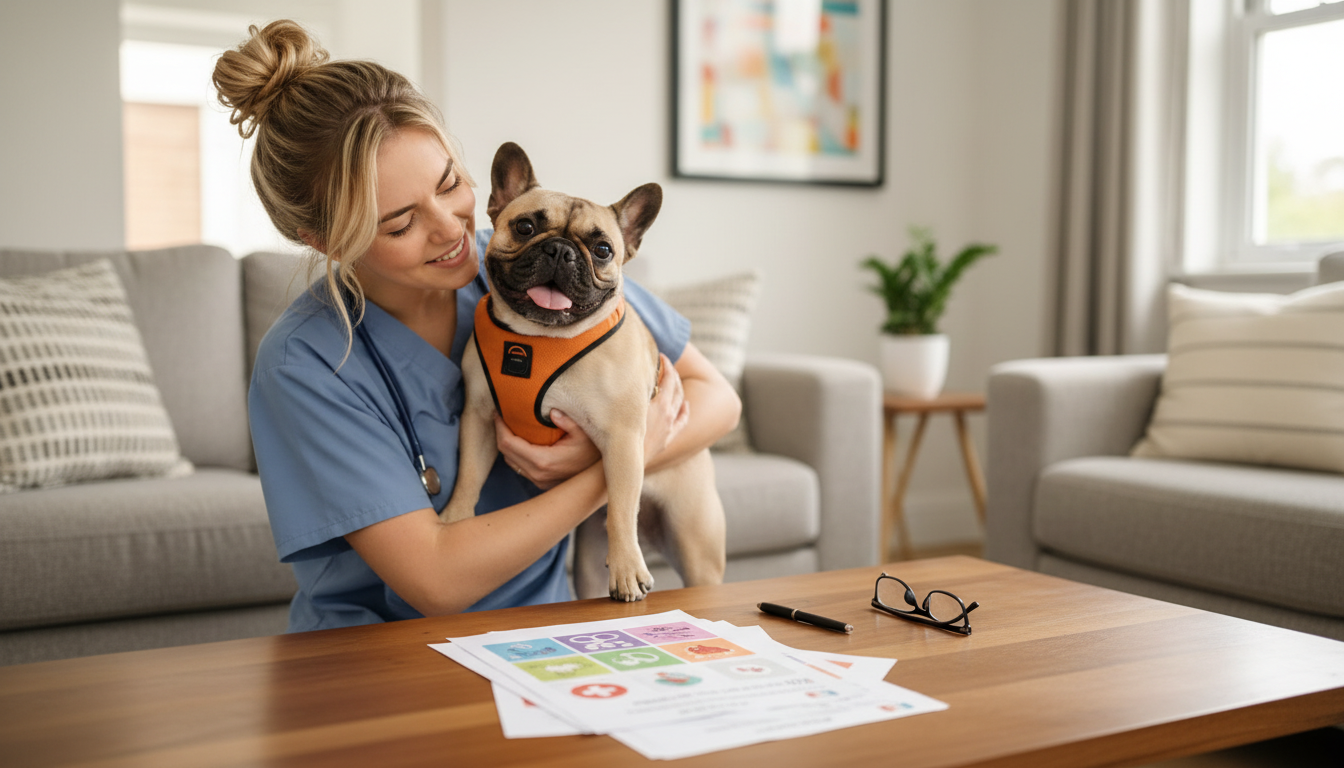
Must-Know Pet First-Aid Cheat Sheet: A Printable Emergency Guide for Pet Owners
Pet emergencies rarely come with warning—choking, bleeding, toxin exposure, heat stress, or sudden collapse can escalate in minutes. A clear, printable pet first-aid cheat sheet helps reduce panic and guides safe, immediate steps while you contact a veterinarian or head to an emergency clinic. The goal is simple: protect yourself, stabilize your pet as much as possible, and get professional care fast.
For veterinary-first guidance on what to do in a crisis, keep reputable references bookmarked, such as the American Veterinary Medical Association (AVMA) emergency care tips and the ASPCA Animal Poison Control resources.
What a pet first-aid cheat sheet should include
- Clear “call a vet now” triggers: trouble breathing, repeated vomiting, collapse, seizures, pale/blue gums, uncontrolled bleeding, suspected toxin ingestion.
- Airway, breathing, circulation basics: what to check first (breathing effort, gum color, responsiveness) and how to do it without risking a bite.
- Quick guidance for common issues: wounds, burns, choking, poisoning, heatstroke, hypothermia, allergic reactions, eye injuries, broken nails/paws.
- Fill-in fields: primary vet, nearest 24/7 ER, poison control, medications/allergies, microchip number, and an emergency contact.
- Pet-specific notes: carrier location, muzzle tolerance, bite risk, chronic conditions, and any handling warnings.
Before an emergency: set up a simple response plan
- Save and print key numbers (primary vet, ER, poison control). Place copies by the fridge, near exits, and in the pet travel bag.
- Know your closest 24/7 emergency hospital and note the driving route plus after-hours entry instructions.
- Practice safe restraint: towel wrap for cats and small dogs; a soft muzzle for dogs only if they are conscious, breathing normally, and it’s safe to apply.
- Keep a recent photo and medical summary (vaccines, meds, chronic conditions) ready to share quickly.
- Do a home hazard scan for common toxins: xylitol gum/candy, grapes/raisins, medications, rodent bait, lilies (cats), antifreeze, and unsecured trash.
Build a practical pet first-aid kit (home + travel)
A kit won’t replace a veterinarian, but it can buy time and prevent injuries from getting worse during transport.
- Core supplies: non-stick gauze pads, roll gauze, self-adhering bandage, medical tape, saline rinse, blunt scissors, tweezers, digital thermometer (pet-safe use), disposable gloves, towel, and a clean blanket.
- Helpful add-ons: instant cold pack, sterile lubricant (for thermometer), LED flashlight, styptic powder (for broken nails), and a properly sized Elizabethan collar or soft cone.
- Medication caution: use only medications explicitly recommended by a veterinarian; many human products are unsafe or extremely dose-sensitive for pets.
- Maintenance: refresh every 6–12 months (expired items, dried-out saline, tape that lost stickiness, depleted gauze).
Quick kit checklist and where to store it
| Item | Why it matters | Best storage spot |
|---|---|---|
| Gauze pads + roll gauze | Covers wounds and helps control bleeding | Home kit + travel bag |
| Self-adhering bandage | Secures dressings without sticking to fur | Home kit + car |
| Saline rinse | Flushes debris from eyes/wounds | Home kit |
| Tweezers | Removes visible splinters/ticks with care | Home kit + travel bag |
| Towel/blanket | Wraps for restraint, warmth, shock support | Near carrier/leash + car |
| Gloves + flashlight | Cleaner handling and better visibility | Home kit |
Emergency basics: stay safe, assess fast, and call for help
- Protect everyone first: even gentle pets may bite when scared or in pain. Approach calmly, avoid face-to-face contact, and use a towel barrier if needed.
- Do a 10–20 second check: breathing effort, gum color (pink vs. pale/blue), alertness, major bleeding, and ability to stand/walk.
- Call early: describe symptoms, weight, known exposure (food/medication/plant), and what first aid you already provided.
- Transport smart: keep the pet warm and still; use a carrier for cats/small dogs; use a firm surface for suspected spinal injury; avoid unnecessary movement.
Common emergencies and immediate steps (quick-reference)
What not to do (common mistakes that slow care)
Keep the cheat sheet visible and usable when stressed
Printable option with vet-focused reminders
If you want a one-page format designed for fast reference, see the Must-Know Pet First-Aid Cheat Sheet (printable).
Helpful preparedness picks (digital downloads)
- Must-Know Pet First-Aid Cheat Sheet | Emergency Printable Guide for Pet Owners | Vet Tips (Instant download)
- Essential Adult Skills Guide | Budgeting, Communication, Media Literacy & Life Management Tips for Everyday Success (Useful for organizing emergency info and household plans)
FAQ
Should vomiting ever be induced if a pet eats something toxic?
Sometimes, but it can be dangerous depending on the toxin, the dose, and how much time has passed. Contact a veterinarian or a pet poison hotline first and be ready to share the substance, estimated amount, and time of exposure.
What are the fastest signs that mean an ER visit is needed right away?
Difficulty breathing, collapse, uncontrolled bleeding, seizures (especially prolonged or repeated), pale/blue gums, repeated vomiting, suspected bloat, suspected toxin ingestion, inability to urinate, or severe pain are urgent red flags that warrant immediate veterinary care.
What should be written on a pet emergency cheat sheet before anything happens?
Include your primary vet and nearest 24/7 ER contacts, poison control info, your pet’s current weight, medications/allergies, chronic conditions, microchip number, and an emergency contact—then print and place copies where you’ll see them quickly.












Leave a comment